The Fundamental Properties of Water
Water is a unique compound that possesses several fundamental properties that distinguish it from other substances. These properties stem primarily from its molecular structure and interactions, particularly its polarity and hydrogen bonding. Water molecules consist of two hydrogen atoms covalently bonded to one oxygen atom, resulting in a bent shape. This geometry leads to a polar molecule, where the oxygen atom carries a partial negative charge, while the hydrogen atoms carry a partial positive charge. This polarity facilitates the formation of hydrogen bonds between water molecules, which are essential for many of its remarkable characteristics.
One of the defining properties of water is its high specific heat capacity. This characteristic allows water to absorb and store substantial amounts of heat without undergoing significant temperature changes. Consequently, water plays a crucial role in moderating Earth’s climate and creating stable environments for organisms. For example, large bodies of water, such as oceans and lakes, act as thermal reservoirs, absorbing heat during warmer periods and releasing it during cooler times, thereby stabilizing local climates.
Another significant property of water is its exceptional solvent capabilities. Water can dissolve more substances than any other liquid, earning it the title of the “universal solvent.” This quality results from its polar nature, allowing water molecules to surround and interact with various solutes, including ionic compounds and polar molecules. This ability is vital for biochemical processes, as it enables essential nutrients, gases, and waste products to be transported in and out of cells, thus supporting life.
Furthermore, the unique properties of water contribute to geological processes, including erosion and sediment transport, as well as the formation of diverse ecosystems. The combination of water’s high surface tension, cohesion, and adhesion also enables it to move through plants, influencing their growth and survival. Through these fundamental properties, water emerges as an indispensable resource that sustains life on Earth.
Water’s Role in Supporting Life
Water is an essential component for all known biological systems, serving multiple critical functions that underpin the existence of life on Earth. One of the most significant roles of water is its ability to act as a solvent. This property allows water to dissolve a wide range of substances, making it integral to biochemical reactions within cells. For instance, the solubility of minerals and nutrients in water facilitates metabolic processes, ensuring that essential compounds are readily available for cellular functions. This solvent action also assists in cellular communication, where various substances must be transported to precise locations for effective signaling.
Temperature regulation is another critical function of water that supports life. Water has a high specific heat capacity, which means it can absorb and store large amounts of heat without experiencing drastic temperature changes. This characteristic helps maintain temperature stability in organisms and their surrounding environments, allowing for optimal conditions for biological processes. In this context, water acts as a thermal buffer, enabling organisms to thrive in varying environmental temperatures. For aquatic life, this property ensures that bodies of water remain relatively stable, fostering favorable habitats for diverse species.
Furthermore, water plays a vital role in the transportation of nutrients and waste within and between biological systems. In vascular plants, for example, water is essential for the movement of transport fluids that carry nutrients from the soil to various parts of the plant. Similarly, in animals, water facilitates the circulation of blood, which transports oxygen and nutrients to cells while removing metabolic waste products. The interconnectedness of ecosystems relies significantly on water as a resource; various organisms depend on water bodies for survival, creating intricate webs of dependence that highlight the significance of this life-sustaining element.
The Distribution and Cycle of Water on Earth
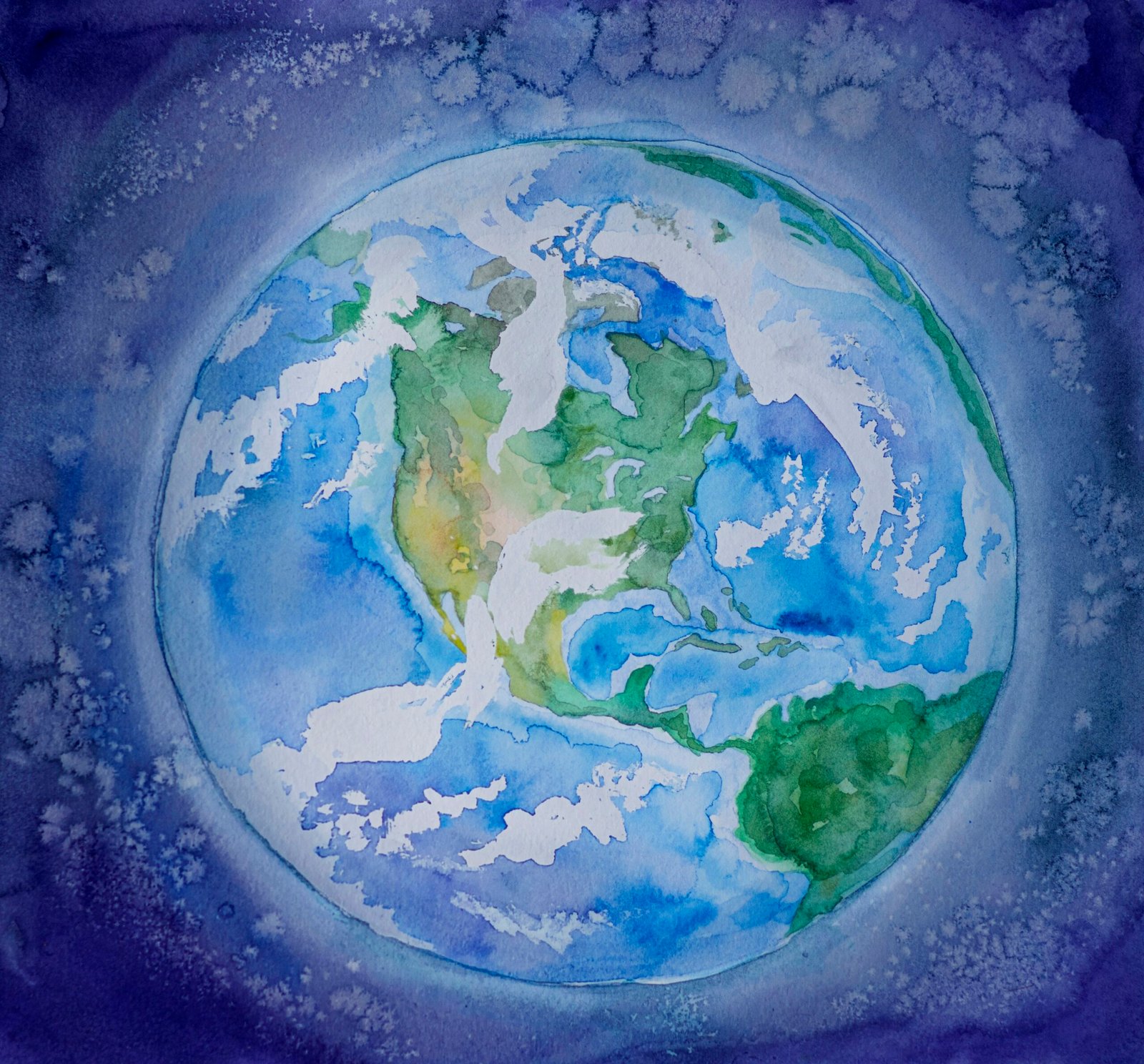
Water is one of the most essential resources on Earth, making up roughly 71% of the planet’s surface. The distribution of water is not uniform; it is primarily divided into saltwater and freshwater, with about 97% of the total water being saltwater found in oceans. This leaves only approximately 3% as freshwater, which is crucial for sustaining human life, ecosystems, and agricultural practices. The available freshwater is distributed among glaciers, ice caps, groundwater, and surface water bodies such as rivers and lakes.
The hydrological cycle plays a pivotal role in the movement and distribution of water. This continuous cycle involves several processes, including evaporation, condensation, precipitation, infiltration, and runoff. Water evaporates from oceans and lands, transforming into water vapor. As the vapor cools, it condenses to form clouds, eventually leading to precipitation in the form of rain or snow. This water replenishes rivers, lakes, and groundwater reserves, making it available for various uses.
Glaciers store about 68% of the planet’s freshwater, primarily located in polar regions like Antarctica and Greenland. These ice masses release water gradually, supporting river systems and providing essential resources during warmer months. Groundwater, which constitutes about 30% of the Earth’s freshwater, serves as a vital source for agriculture and drinking water. Meanwhile, climate change presents significant challenges to the distribution of water resources. Alterations in precipitation patterns, increased evaporation rates, and melting glaciers threaten the balance within this cycle, potentially leading to water scarcity in different regions.
The availability of water is crucial for maintaining ecological balance and supporting life on Earth. Its distribution influences agriculture, drinking supplies, and the overall health of ecosystems. Understanding the water cycle and the current state of water resources is essential for the stewardship of this life-sustaining asset.
Human Dependence and the Future of Water
Water is an indispensable resource for human survival, serving as the foundation for various critical activities including agriculture, industry, and daily living. The agricultural sector, in particular, relies heavily on water for irrigation and livestock feed, accounting for nearly 70% of global freshwater usage. This reliance poses significant challenges, particularly in regions where water scarcity is already a pressing concern. Industrial processes also demand considerable water input, whether for cooling, processing, or cleaning purposes, further intensifying the competition for this vital resource.
Moreover, the daily demands of households—from cooking, cleaning, to personal hygiene—underscore the essentiality of water in our lives. However, the increasing human population and changing consumption patterns are resulting in heightened pressure on water resources. As urban areas expand, the demand for freshwater intensifies, leading to potential conflicts over water allocation and access.
Current challenges facing water resources are compounded by various factors, including pollution, over-extraction, and climate change. Pollutants from agricultural runoff, industrial discharges, and untreated sewage infiltrate natural water bodies, jeopardizing both human health and ecosystems. Over-extraction of groundwater has led to alarming decreases in water tables, disrupting the natural balance and ability of aquifers to recharge. Furthermore, climate change is altering precipitation patterns, contributing to more frequent droughts and floods, which further threaten the availability of water.
To secure the future of our water resources, sustainable practices and conservation efforts must be prioritized. Embracing water-efficient technologies, promoting responsible consumption, and implementing comprehensive water management strategies are vital steps in protecting this unique and essential resource. Encouraging community engagement and education about the importance of water conservation can lead to collective action in safeguarding water for future generations. As stewards of this precious resource, it is crucial that we adapt our practices to ensure the continued availability of clean and safe water for all. In summary, the future of water hinges on our commitment to sustainable management and conscious consumption.